Most of us know that water and electricity together is a dangerous combination, so it can be quite alarming to see water running out of your electrical panel. While it’s a situation that needs to be addressed, you may be surprised to learn it’s actually quite common, especially here in Kansas, where the electrical panel is often located in a home’s basement.
How Does Water Get into an Electrical Panel?
In most cases, rain is to blame for a wet breaker box. If the electric meter outside your home isn’t properly sealed water can run down the main electric service cable, also called the service drop, and all the way inside your house to the electrical panel. The cable that runs from the meter box to the panel has a hollow space inside that creates a perfect channel for moving water. Sometimes, water seeping through basement walls can get into the panel box, but this is less common.
There are a few other routes worth knowing about. A panel mounted on an exterior wall can collect condensation when warm indoor air meets cold metal, which is one reason the problem often surfaces in colder months. A leaking pipe or an appliance above the panel can drip into it. And on older homes, a rusted or split meter socket outside can let water in long before anyone notices anything indoors.
Signs of Water Infiltration
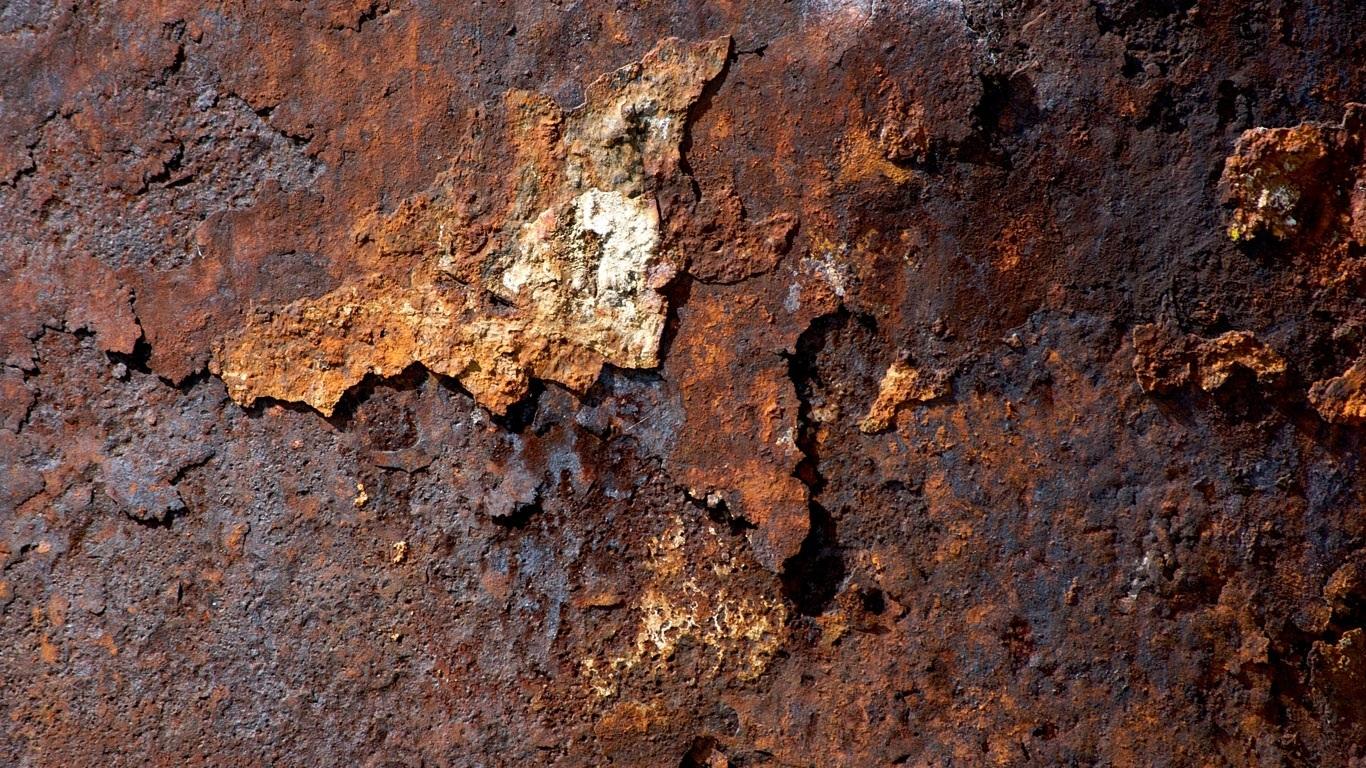
The most obvious sign is you can see water inside your electrical panel or running or dripping out of it. Another common signal is corrosion and/or rust in the bottom of the service panel box or on the electrical terminals or circuit breakers. Ultimately, the corroded components can cause circuit breaker malfunctions and electrical fires.
Other signs are easier to miss. Breakers that trip for no clear reason, a burning or metallic smell near the panel, a faint buzzing or crackling sound, warmth on the panel cover, or staining and streaking on the wall below the box all point the same direction.
How Serious Is It? A Quick Severity Guide
Not every spot of rust means the same thing. Use this to judge what you are looking at, then call an electrician either way.
Call immediately, and don’t touch the panel: visible water inside the box, water dripping or running out of it, a burning smell, buzzing or crackling, a warm panel cover, or scorch marks. If any of these are present, stay away from the panel and call a licensed electrician. If water is actively running into it, call your utility as well, because the power may need to be cut at the meter before anyone can work safely.
Call soon, within days: orange or brown rust on breakers, on the busbar, or on the terminals; breakers that will not reset or trip repeatedly; visible corrosion around the point where the service cable enters the box.
Get it looked at, but don’t panic: light surface rust on the outside of the panel door or cabinet, with nothing visible inside and no other symptoms. This is often cosmetic, particularly in a damp basement. It still deserves an inspection, because the outside of the box is not where the risk lives.
The reason rust matters more than it looks is that corrosion works on the connections rather than the metal you can see. A corroded terminal has higher resistance, higher resistance produces heat, and heat is what starts fires inside a panel. A breaker sitting on a corroded busbar can also fail to trip when it should, which removes the protection the panel exists to provide.
What to Do if you Have Water, Rust or Corrosion in the Electrical Panel
Because water is a good conductor of electricity, don’t touch the breaker box if you can see water in it or coming out of it. Call a licensed electrician right away to replace the panel and circuit breakers. The panel box will need to be moved if it’s attached directly to cement or stone walls. The service drop cable should also be sealed to block further moisture infiltration.
A few things not to do. Don’t remove the panel cover to get a better look, because the service lugs behind it stay live even with the main breaker switched off. Don’t try to dry the panel with a hairdryer or fan heater. Don’t clean or scrape corroded parts, since sanding a terminal removes plating and makes the corrosion return faster. And don’t simply replace a breaker that keeps tripping, because a corroded panel will corrode the new one too.
What Replacement Involves
If the panel does need replacing, the work usually runs most of a day. Your power is off for a good portion of it, since the panel has to be disconnected at the meter. In most of the Wichita area the job needs a permit and an inspection, and the utility has to coordinate disconnecting and reconnecting the service. Requirements vary by jurisdiction, so confirm what applies to your address. A reputable electrician handles all of that rather than leaving it to you.
If the panel is mounted directly to a masonry or stone wall, it has to be moved onto a furring strip or standoff so moisture can’t wick through the wall into the box again. Replacing the panel without addressing how the water got in leaves you with a new panel and the same problem.
Preventing It From Happening Again
Sealing the service entrance cable and the meter socket is the single most effective step, since that is the route water takes in most cases. Beyond that, keep gutters and downspouts clear so runoff is not pouring down the wall near the meter, address basement moisture at its source, and have the panel inspected if your home has had any water intrusion, however minor it seemed at the time.
Note: Water intrusion through your basement walls also impacts the structural integrity of your home, and should be addressed by a professional to prevent further issues.
Get the Panel Looked At
Don’t open the panel cover or try to clean corrosion yourself. Graf Electric inspects and replaces electrical panels throughout the Wichita area.